Global Distributors Wanted
1.Free Cloud Service Deployment
2.Free Technical Training
3.Exclusive Territory Protection

1.Free Cloud Service Deployment
2.Free Technical Training
3.Exclusive Territory Protection


Views: 215 Author: Aaron Publish Time: 2026-09-10 Origin: Site


Content Menu
● Introduction: Why China Matters in Drone Delivery Solutions
● How to Evaluate a Drone Delivery Solutions Supplier
>> Factory and Production Capability
>> Research and Development Capability
>> Delivery Reliability and Lead Time
>> Compliance and Documentation
● Top 10 Drone Delivery Solutions Companies in China
● 1. Shenzhen Intelligent Drone Technology Co. Ltd.
● 4. JD Logistics Drone Programs
● 5. EHang
● 6. JOUAV
● 10. MicroMultiCopter Aero Technology
● Comparison of Manufacturing, MOQ, and Documentation
● Technical Requirements Buyers Should Review
>> Battery and Charging System
>> Weather and Operating Limits
● Procurement Risks and How to Avoid Them
● The Important Detail Many Buyers Miss
● Buyer's Guide: How to Verify a Supplier
>> Step 1: Confirm the Legal Entity
>> Step 2: Review Product Documentation
>> Step 3: Define the Sample Requirement Clearly
>> Step 4: Conduct a Factory Acceptance Test
>> Step 5: Plan Logistics and Battery Shipping
● FAQ
>> 1. How can I verify whether a supplier's ISO certificate is still valid?
>> 2. Does CE marking mean a Chinese drone can legally perform delivery operations in Europe?
>> 3. What is a realistic MOQ for customized drone delivery solutions?
>> 4. How should buyers test a drone delivery system before committing to a large order?
>> 5. What should be included in an OEM/ODM agreement for drone delivery equipment?
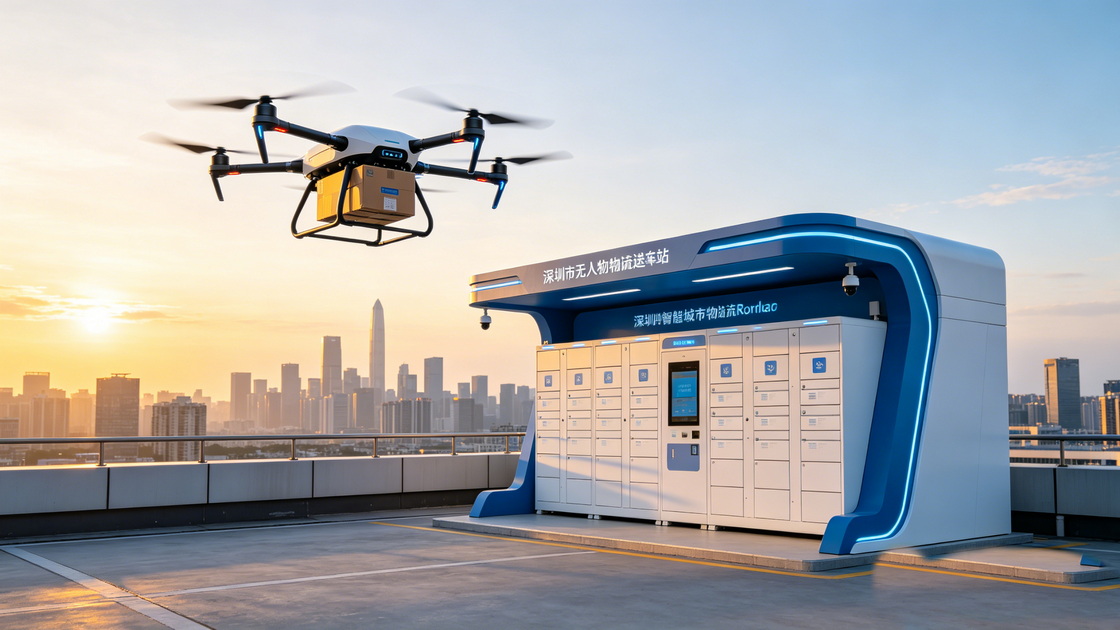
China is one of the most important global markets for commercial drones, autonomous logistics systems, and low-altitude transportation technologies. The country has built a strong industrial ecosystem around unmanned aerial vehicles, including aircraft design, flight-control systems, battery production, precision electronics, cameras, sensors, communication modules, cloud platforms, and automated ground infrastructure.
For buyers sourcing Drone Delivery Solutions, China offers more than drone hardware. The most capable suppliers can combine aircraft, payload systems, intelligent route planning, cloud-based dispatch, delivery stations, ground equipment, and operational data management into a connected solution.
This matters because commercial drone delivery is not simply about flying a package from Point A to Point B. A reliable project requires coordination between the drone, the operator, the loading process, the landing zone, the customer handover point, the charging system, the communication network, and the digital platform that monitors the mission.
Shenzhen, Guangzhou, Chengdu, Hangzhou, and other Chinese technology centers have become important locations for this type of development. Shenzhen is especially influential because it combines electronics manufacturing, software development, industrial design, battery technology, UAV engineering, and international export capability in one dense regional ecosystem.
For overseas procurement teams, sourcing from China can provide access to flexible engineering support, faster prototype development, lower system-integration costs, and a wide range of drone platforms. However, buyers should avoid selecting suppliers only because of a low quotation. The right partner must demonstrate technical capability, stable production processes, transparent documentation, practical delivery experience, and dependable after-sales support.
A commercial drone delivery supplier should be evaluated as a long-term technology and operations partner. Buyers should look beyond product brochures and focus on whether the supplier can support a complete deployment process.
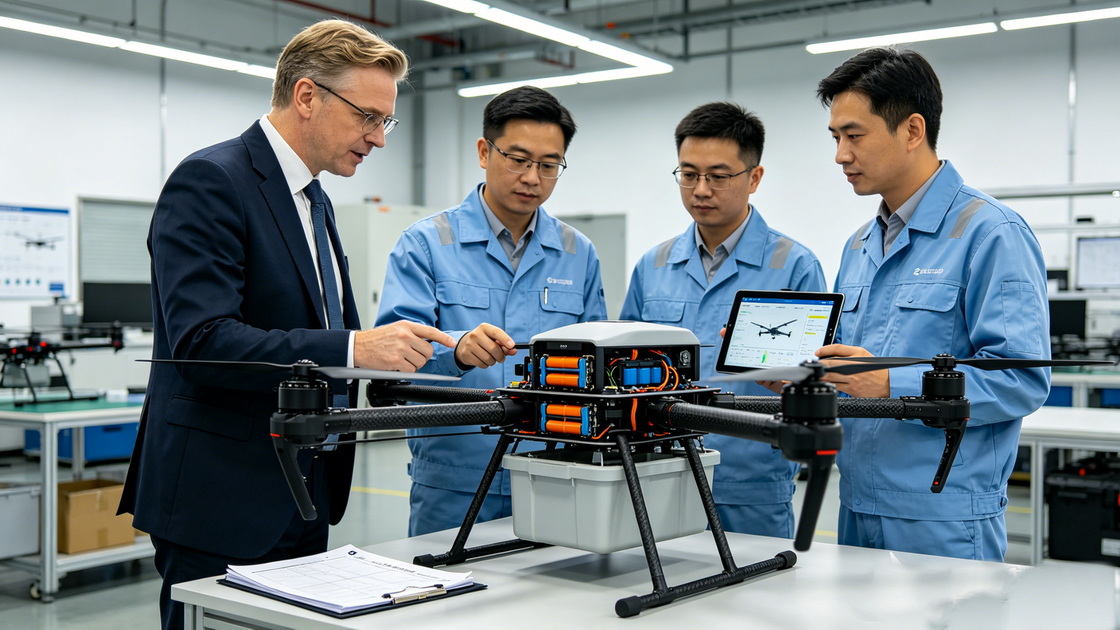
Buyers should confirm whether the supplier owns its own factory, works through subcontractors, or combines internal assembly with outsourced components. This affects production control, quality consistency, delivery schedules, and future spare-parts availability.
A qualified supplier should be able to provide clear information about:
- Factory location and legal entity.
- Production lines and assembly capability.
- Quality-control procedures.
- Component traceability.
- Incoming-material inspection.
- Flight-test procedures.
- Battery inspection standards.
- Final product inspection records.
- Serial-number management.
- Warranty and maintenance processes.
- Spare-parts inventory planning.
For drone delivery equipment, component consistency is especially important. A change in motors, electronic speed controllers, propellers, batteries, sensors, antennas, or flight-control modules can affect flight performance and operational safety.
Drone delivery projects often require more customization than standard aerial photography or inspection drones. Buyers should assess whether the supplier has internal engineering teams for mechanical design, embedded systems, flight control, payload design, cloud software, mobile applications, and data integration.
Strong development capability is particularly important when a project requires:
- Customized payload boxes.
- Temperature-controlled medical transport.
- Food-delivery containers.
- Smart landing stations.
- Delivery lockers.
- Winch systems.
- Package release mechanisms.
- Route-management platforms.
- Third-party software integration.
- Customized communications modules.
- Local-language user interfaces.
- Branding and private-label requirements.
Suppliers with real engineering depth can adapt the system when operational requirements change. Suppliers that only resell standard drones may struggle when buyers need modifications, replacement components, firmware updates, or customized workflows.
A professional drone delivery supplier should have documented quality procedures at every stage of production.
Typical quality-control steps include:
- Incoming inspection for motors, batteries, sensors, carbon-fiber parts, wiring harnesses, and electronic components.
- Mechanical assembly inspection.
- Wiring and connector verification.
- Flight-controller configuration checks.
- GPS and positioning validation.
- Compass and IMU calibration.
- Payload-release testing.
- Communication-link testing.
- Return-to-home testing.
- Battery cycle and charging checks.
- Functional flight testing.
- Final packaging inspection.
Buyers should ask whether each aircraft receives a unique serial number and whether the supplier maintains factory flight logs. These records can be useful when troubleshooting performance issues or handling warranty claims.
A supplier's lead time should be evaluated based on real production capacity, not only the delivery promise shown in a quotation.
Ask the supplier to explain:
- Standard lead time for sample orders.
- Lead time for customized prototypes.
- Pilot-batch lead time.
- Mass-production lead time.
- Component sourcing risks.
- Backup suppliers for critical components.
- Spare-parts stock availability.
- Firmware-update process.
- Technical-support response time.
- Training availability.
- Overseas service capability.
A reliable supplier should also have a process for notifying buyers when key components change. Without engineering-change control, a product may look identical but perform differently because internal parts have been replaced.
Drone delivery projects may involve product, communication, battery, aviation, operational, and data-management requirements. Buyers should request relevant documentation early in the procurement process.
Important documents may include:
- Product specifications.
- User manuals.
- Maintenance manuals.
- Battery safety documents.
- Battery transport documents.
- Material declarations.
- Environmental compliance declarations.
- Radio-frequency test reports.
- Electromagnetic compatibility reports.
- Quality-management certificates.
- Factory inspection reports.
- Flight-test records.
- Warranty policy.
- Spare-parts list.
- Software license agreement.
- Data-security policy.
Buyers should understand that product documentation and operational approval are not the same. A drone may meet certain electrical, radio, or environmental requirements while still requiring separate permissions for commercial delivery operations in a local market.

The companies below represent different parts of China's drone delivery ecosystem. Some focus on integrated delivery solutions, while others provide industrial UAV platforms, logistics networks, urban delivery systems, enterprise drone technology, or specialized heavy-payload solutions.
| Company | Main Focus | Suitable Buyer Type | Customization Orientation |
|---|---|---|---|
| Shenzhen Intelligent Drone Technology Co. Ltd. | Full-stack low-altitude, ground, and underground intelligent solutions | System integrators, industrial parks, municipal projects, SMEs, regional partners | Flexible project-based customization |
| SF Technology / Fengwing | Logistics UAV operations and air-ground coordination | Express logistics, medical logistics, regional distribution | Operational network integration |
| Meituan Drone | Urban instant delivery and automated pickup infrastructure | Retail platforms, smart-city projects, food delivery ecosystems | Platform-based deployment |
| JD Logistics Drone Programs | Rural and regional logistics UAV operations | E-commerce, remote-area supply chains, regional distribution | Logistics-network integration |
| EHang | Autonomous aerial vehicle platforms and advanced cargo concepts | Smart-city, advanced air mobility, large-scale cargo projects | Platform and project collaboration |
| JOUAV | Industrial VTOL UAV systems | Long-range logistics, industrial transport, remote-area operations | Industrial configuration and integration |
| Autel Robotics | Enterprise UAV systems | Inspection, emergency response, public safety, enterprise fleets | Enterprise platform integration |
| DJI Enterprise | Enterprise drone hardware and software ecosystem | Industrial operations, emergency response, infrastructure management | Ecosystem-based integration |
| MMC UAV | Industrial and emergency-response UAV systems | Public safety, security, specialist logistics projects | Mission-specific configuration |
| MicroMultiCopter Aero Technology | Heavy-lift and industrial multirotor UAV systems | Heavy payload, industrial transport, emergency logistics | Payload and mission customization |
Shenzhen Intelligent Drone Technology Co. Ltd. is a technology-oriented provider focused on the deep integration of drone technology across low-altitude, ground, and underground environments.
Its core concept is "one-network coverage," which means the company does not focus only on a single drone or isolated delivery task. Instead, it aims to connect multiple devices, operational areas, and data systems through a unified intelligent cloud-control platform.
This approach can be valuable for buyers that require more than a standard delivery drone. For example, an industrial park, municipal contractor, logistics integrator, emergency-response organization, or smart-city project may require drones, ground equipment, inspection tools, underground detection systems, and a central command platform to work together.
The company's solution direction includes intelligent flight platforms, dynamic perception, precise data collection, intelligent analysis, urban airspace delivery, ground-air coordinated operations, underground-space detection, inspection systems, and emergency-response applications.
- Full-stack solutions covering low-altitude, ground, and underground environments.
- Unified cloud-based command, dispatch, and equipment-management capability.
- Support for multi-node operations and coordinated workflows.
- Flexible project-based engineering support.
- Suitable for buyers seeking customized system integration.
- Potentially practical for small and medium-sized brands requiring responsive communication.
- Strong fit for industrial, municipal, emergency, and smart-infrastructure scenarios.
- Ability to support customized payload systems, software interfaces, operational workflows, and cloud-management functions.
- Urban airspace delivery.
- Industrial park logistics.
- Emergency medical supplies.
- Municipal emergency response.
- Smart-city operations.
- Ground-air coordinated logistics.
- Underground-space detection.
- Infrastructure inspection.
- Site security and patrol.
- Multi-device command and dispatch.
Buyers should discuss customized requirements such as:
- Branded aircraft shells and payload boxes.
- Custom delivery compartments.
- Cold-chain medical transport containers.
- Delivery lockers and smart collection points.
- Customized cloud-control dashboards.
- Local-language platforms.
- API integration.
- Third-party logistics platform integration.
- Customized communication systems.
- Sensor modules.
- Emergency-response payloads.
- Site-specific flight-route planning.
- Operator interface design.
For buyers looking for a flexible partner rather than a fixed catalog product, Shenzhen Intelligent Drone Technology Co. Ltd. can be considered for projects that require technical communication, customized workflows, and coordinated system deployment.
Fengwing is associated with logistics UAV development and air-ground coordinated delivery operations within the SF ecosystem. It is one of the more relevant names for buyers studying how drone logistics can be integrated with express delivery, local couriers, automated transfer points, and regional distribution networks.
The Fengwing approach is significant because it recognizes that drone delivery is usually only one part of the total logistics chain. A package may be collected by a courier, transferred to a drone station, transported by UAV, unloaded at a designated point, and then delivered to the final customer through a local ground-delivery network.
This hybrid workflow is practical for commercial logistics because drones may be most efficient on specific route sections rather than for every stage of the delivery journey.
- Strong logistics and express-delivery background.
- Air-ground coordinated operating model.
- Experience with UAV takeoff and landing stations.
- Integration with package handover and logistics transfer points.
- Potential relevance for medical logistics and remote-area distribution.
- Operational understanding of real-world package flow.
- Express delivery between logistics nodes.
- Medical samples and urgent medical supplies.
- Remote-area package transport.
- Cross-water or island delivery routes.
- Urban logistics corridor deployment.
- Air-ground coordinated delivery systems.
- Enterprise logistics network optimization.
Fengwing is not a conventional private-label drone supplier. Buyers should clarify whether the proposed cooperation model involves technology deployment, logistics operations, route services, project consultation, or joint infrastructure development.
It may be more suitable for logistics operators, government projects, large regional distributors, and enterprise customers than for buyers seeking a small batch of white-label delivery drones.
Meituan Drone is known for urban instant-delivery applications, especially food delivery, retail delivery, and automated pickup workflows. Its operating model combines digital ordering platforms, dispatch systems, designated delivery routes, drone stations, customer pickup points, and service-area management.
For B2B buyers, Meituan Drone is important as an example of how high-frequency urban delivery can be designed around infrastructure rather than only aircraft performance.
In dense cities, the drone itself is only one part of the system. Successful deployment depends on safe takeoff and landing areas, package-loading procedures, route planning, customer notifications, pickup lockers, demand density, and weather management.
- Strong connection to urban retail and food-delivery ecosystems.
- Experience with short-distance, high-frequency delivery scenarios.
- Integration between customer ordering, dispatch, and delivery stations.
- Useful benchmark for smart-city and urban retail projects.
- Focus on automated customer pickup and collection points.
- Food delivery.
- Urban retail delivery.
- Campus delivery.
- Business park delivery.
- Tourism-zone delivery.
- Smart-community logistics.
- Retail platform integration.
- Short-distance package transport.
Meituan Drone is primarily an operational platform and urban delivery ecosystem, rather than a standard OEM manufacturer. Procurement teams should view it as a benchmark for urban drone-delivery models, station design, and platform-based logistics coordination.
JD Logistics has been associated with drone delivery applications for rural, regional, and e-commerce logistics. Its delivery concepts are especially relevant for buyers serving mountainous areas, remote villages, agricultural regions, or locations where ground transportation is slow, expensive, or limited by terrain.
Rural drone delivery differs from urban food delivery. It may require longer routes, larger payloads, greater endurance, weather tolerance, designated village stations, regional warehousing, and structured ground handover.
- E-commerce and warehousing background.
- Strong relevance to regional and rural logistics.
- Experience in remote-area delivery concepts.
- Suitable reference point for large distribution networks.
- Connection between digital orders, warehouses, and delivery routes.
- Rural e-commerce delivery.
- Agricultural supply distribution.
- Mountainous-area logistics.
- Village collection-point delivery.
- Remote medical supply transport.
- Regional warehouse-to-station transport.
- Emergency supplies for remote communities.
JD Logistics drone programs are generally more relevant to logistics-network development than to small-scale private-label procurement. Buyers should clarify the availability of hardware supply, project partnerships, logistics consulting, technical support, and location-specific deployment services.
EHang is an advanced autonomous aerial vehicle technology company based in Guangzhou. Its activities cover autonomous aerial mobility, pilotless aircraft systems, cargo concepts, aerial tourism, emergency response, and other low-altitude applications.
For drone delivery procurement teams, EHang is relevant when a project involves advanced autonomous aircraft, larger cargo capacity, smart-city infrastructure, or long-term low-altitude mobility planning.
Its platforms are not designed primarily for small food packages or short consumer-delivery missions. Instead, they may be more relevant to complex cargo, urban mobility, large-scale infrastructure, or regulated autonomous operations.
- Focus on autonomous aerial vehicle technology.
- Experience in advanced low-altitude mobility concepts.
- Relevant to cargo and smart-city projects.
- Strong fit for buyers planning long-term aviation infrastructure.
- Suitable for larger-scale autonomous deployment discussions.
- Smart-city aerial logistics.
- Advanced cargo transport.
- Emergency response.
- High-value equipment transport.
- Intercity low-altitude logistics.
- Remote-area transportation.
- Advanced air mobility projects.
EHang is more suitable for strategic projects and advanced aviation discussions than for standard OEM drone procurement. Buyers should carefully evaluate aircraft certification status, local operating permissions, infrastructure requirements, payload capability, and long-term maintenance arrangements.
JOUAV is an industrial UAV company established in 2010. It focuses on the development, manufacturing, and application of industrial drone systems, including VTOL UAV platforms, flight-control technology, surveying solutions, security applications, and infrastructure-related operations.
For delivery projects, JOUAV can be relevant where buyers need longer range, stronger endurance, and industrial-grade capability. VTOL aircraft can offer advantages for remote-area transport because they can take off and land vertically while still benefiting from fixed-wing flight efficiency during longer missions.
- Industrial VTOL UAV capability.
- Long-range mission suitability.
- Experience with industrial operations.
- Strong relevance to remote-area and corridor logistics.
- Potential fit for infrastructure and regional transport projects.
- Support for payload integration and professional ground-control systems.
- Remote-area logistics.
- Long-distance industrial transport.
- Pipeline and corridor support.
- Mining-site delivery.
- Offshore facility support.
- Agricultural-region logistics.
- Medical supply transport.
- Infrastructure inspection combined with payload transport.
JOUAV may be more suitable for industrial and professional projects than for low-cost consumer delivery. Buyers should request detailed documentation on flight endurance, payload capability, weather limits, communication range, takeoff and landing requirements, and maintenance intervals.
Autel Robotics is a Shenzhen-based drone manufacturer founded in 2014. The company develops civil and enterprise UAV systems for applications such as inspection, public safety, surveying, traffic monitoring, emergency response, and search-and-rescue operations.
Autel's enterprise platforms can be relevant to organizations that need professional drone fleets for multiple uses, including inspection, emergency coordination, site monitoring, and limited delivery-related activities.
However, buyers should verify whether a selected drone model is appropriate for the required payload, route, communication method, flight duration, and delivery mechanism.
- Enterprise UAV product portfolio.
- Shenzhen-based engineering and manufacturing ecosystem.
- Experience with professional drone users.
- International market presence.
- Potential value for inspection and emergency-response projects.
- Strong fit for multi-purpose enterprise fleets.
- Infrastructure inspection.
- Public safety.
- Emergency response.
- Search and rescue.
- Site patrol.
- Traffic monitoring.
- Industrial inspection.
- Light payload delivery in controlled environments.
Autel is generally more suitable for buyers seeking branded enterprise drone platforms than for buyers requiring extensive private-label manufacturing. Before purchasing, confirm compatibility with payload-release systems, delivery containers, remote-control requirements, software integration, and local operating regulations.
DJI Enterprise is part of the broader DJI ecosystem and provides professional drone platforms for public safety, energy, construction, surveying, infrastructure inspection, emergency response, and industrial operations.
DJI is highly relevant to buyers who need a mature ecosystem, widely available accessories, global channel support, professional imaging systems, compatible software, and trained operator availability.
For drone delivery projects, DJI Enterprise equipment may be useful in controlled industrial environments, emergency missions, inspection-related logistics, or site-specific operations. However, buyers should avoid assuming that a standard enterprise drone is automatically suitable for regular commercial delivery.
- Large enterprise-drone ecosystem.
- Strong global distributor network.
- Broad accessory and payload availability.
- Mature software and fleet-management options.
- Strong relevance to inspection and emergency-response operations.
- High availability of training resources and technical service.
- Industrial site operations.
- Emergency response.
- Infrastructure inspection.
- Security patrol.
- Construction-site logistics.
- Utility inspection.
- Disaster assessment.
- Controlled payload transport.
DJI Enterprise is most suitable for buyers prioritizing ecosystem maturity, existing software tools, and global accessibility. Private-label airframe customization is generally limited. Buyers needing a fully customized delivery drone, proprietary cloud platform, or branded logistics station may require an additional system integrator.
MMC UAV provides industrial UAV systems for mission-focused applications, including public safety, security, emergency response, inspections, and specialist operations.
For procurement teams, MMC UAV may be relevant where drone delivery is linked to emergency operations, site security, infrastructure management, or industrial logistics rather than consumer package delivery.
In these scenarios, the drone may need to carry medical equipment, communication devices, emergency supplies, cameras, sensors, lighting systems, or specialized payload modules.
- Industrial and public-safety application focus.
- Potential fit for emergency-response environments.
- Mission-specific configuration capability.
- Suitable for specialist payload integration.
- Relevant to government, industrial, and security projects.
- Emergency medical transport.
- Public-safety operations.
- Disaster-response logistics.
- Security patrol.
- Industrial-site delivery.
- Infrastructure support.
- Communication equipment transport.
- Search-and-rescue supply delivery.
Buyers should confirm the exact model, payload limits, environmental protection level, battery specifications, command-and-control options, maintenance requirements, and spare-parts availability. Mission-specific drones should be tested under realistic conditions before any production order is placed.
MicroMultiCopter Aero Technology is associated with industrial multirotor UAV applications, including specialist missions and potentially heavy-payload transport requirements.
For buyers considering heavy-lift drone delivery, industrial transport, construction-site logistics, or emergency cargo missions, this type of supplier may be relevant. Heavy-lift drones require stricter engineering evaluation because payload weight affects flight time, battery temperature, motor load, structural stress, and landing safety.
- Industrial multirotor UAV focus.
- Potential relevance for heavy payloads.
- Suitable for specialist transport scenarios.
- Strong fit for controlled-site logistics.
- Possible support for customized payload systems.
- Useful for emergency and industrial transport missions.
- Heavy equipment transport.
- Construction-site logistics.
- Mining-site supply delivery.
- Emergency supply transport.
- Industrial maintenance support.
- Remote facility logistics.
- Controlled-area cargo operations.
- High-value equipment transport.
For heavy-lift procurement, buyers should request structural test data, maximum takeoff weight documentation, payload-center-of-gravity limits, battery thermal-management information, flight-time calculations, redundancy design, propeller specifications, and emergency landing procedures.
Exact production capacity, minimum order quantity, and documentation scope can differ by model, destination market, software requirements, and level of customization. Buyers should request written confirmation before issuing a purchase order.
| Company | Typical Cooperation Model | MOQ Approach | Documentation to Request |
|---|---|---|---|
| Shenzhen Intelligent Drone Technology Co. Ltd. | Project-based solution integration | May support pilot projects and customized requirements | System architecture, cloud platform scope, product documentation, test procedures, customization proposal |
| SF Technology / Fengwing | Logistics operation and network deployment | Project-dependent | Operational workflow, route planning, delivery-station design, handover procedure |
| Meituan Drone | Urban delivery platform and ecosystem | Not a standard product MOQ model | Delivery workflow, station requirements, service-area design, operational process |
| JD Logistics Drone Programs | Regional logistics network deployment | Project-dependent | Warehouse-to-delivery workflow, route design, rural deployment plan, operational requirements |
| EHang | Advanced platform and strategic project cooperation | Contract-dependent | Aircraft specification, operating conditions, maintenance plan, project feasibility materials |
| JOUAV | Industrial UAV solution supply | Depends on configuration and payload | VTOL performance data, flight range, payload limits, ground-control specification |
| Autel Robotics | Branded enterprise-drone procurement | Product and distributor dependent | Product data sheet, battery documents, software capability, payload compatibility |
| DJI Enterprise | Branded enterprise-drone procurement | Product and distributor dependent | Product data sheet, accessories list, software requirements, maintenance information |
| MMC UAV | Mission-specific industrial solution | Depends on configuration | Payload data, environmental testing, command-and-control details, maintenance documentation |
| MicroMultiCopter Aero Technology | Heavy-lift and specialist project supply | Depends on model and payload | Structural test data, payload limits, battery information, emergency procedures |
Commercial drone delivery aircraft may use carbon-fiber composites, aluminum alloys, engineering plastics, reinforced polymers, or mixed-material structures.
Buyers should ask:
- What grade of carbon fiber is used?
- How are structural components manufactured?
- Are carbon-fiber parts produced by prepreg, vacuum infusion, or another process?
- Are aluminum parts CNC-machined or cast?
- What corrosion protection is applied?
- Can arms, landing gear, propellers, shells, and payload mounts be replaced?
- Are structural load tests documented?
- What is the expected service life of major components?
The aircraft should be designed for the actual operating environment. A drone used near the coast may need improved corrosion protection. A drone used in high-temperature regions may require better battery thermal management. A drone used in dusty industrial environments may need additional protection for motors, sensors, and connectors.
The flight-control system is one of the most important parts of a commercial drone delivery platform. Buyers should understand how the aircraft behaves when GPS quality changes, communication is interrupted, the weather worsens, or the battery level becomes low.
Key questions include:
- Does the system support GNSS, RTK, visual positioning, or multi-sensor navigation?
- Is obstacle avoidance available?
- What happens during signal loss?
- Can the drone return to home automatically?
- Is route deviation monitored?
- Can the system operate under geofencing rules?
- Is there a flight-data recording function?
- Can operators review mission history?
- Is remote identification supported where required?
- Are user accounts and cloud access protected?
- Can the system integrate with local communication networks?
The payload system should be tested as carefully as the aircraft itself. A delivery drone is not commercially useful if the package box is difficult to load, cannot stay balanced, leaks in rain, allows unauthorized access, or cannot confirm that the package has been collected.
Buyers should evaluate:
- Payload-box size.
- Maximum cargo weight.
- Payload-center-of-gravity limits.
- Locking mechanism.
- Insulation and temperature control.
- Water resistance.
- Tamper-evident design.
- Smart-lock integration.
- Barcode or QR-code scanning.
- Delivery proof.
- Winch-system stability.
- Release mechanism safety.
- Landing-station compatibility.
Battery management is often one of the largest hidden costs in a drone delivery program. A buyer should not only ask for flight time. The supplier should explain how many flight cycles the battery can support, how charging affects battery life, and when batteries should be replaced.
Important questions include:
- What battery chemistry is used?
- What is the rated capacity?
- What is the normal operating temperature?
- How many cycles are expected?
- How is battery health monitored?
- How long does charging take?
- Is battery swapping supported?
- What happens if a battery overheats?
- Are batteries shipped with transport documentation?
- What is the replacement cost?
- How many batteries are needed per aircraft for continuous operation?
Suppliers should provide written operating limits rather than broad statements such as "all-weather" or "industrial-grade."
Request specific information for:
- Maximum sustained wind.
- Maximum wind gusts.
- Rain tolerance.
- Humidity tolerance.
- Operating temperature range.
- Dust protection.
- Day and night operation.
- Fog conditions.
- Snow conditions.
- Maximum takeoff altitude.
- Maximum payload at different temperatures.
- Recommended maintenance interval.
| Procurement Risk | Why It Happens | How to Reduce the Risk |
|---|---|---|
| Maximum payload is overstated | Marketing data may be based on ideal laboratory conditions | Require a written mission profile and witnessed flight test |
| Components are changed without approval | Suppliers may substitute parts due to cost or supply shortages | Lock key components into the purchase agreement and require written change approval |
| Certificate does not match the product | Documents may cover another model, factory, or legal entity | Verify product model, certificate holder, address, issue date, and test-report number |
| Flight test does not reflect real operations | Demonstration flights may use no payload, short routes, or new batteries | Test with the intended payload, route distance, weather range, and battery reserve |
| Cloud software fees are unclear | Platform subscriptions, API fees, and data storage are not discussed early | Define software cost, license period, data ownership, API access, and renewal terms |
| Spare parts are unavailable | Buyers did not establish an inventory plan | Purchase recommended spare parts and define delivery lead times |
| Battery shipping causes delays | Dangerous-goods requirements were not planned | Confirm battery packaging, shipping method, and documents before production |
| Local delivery operations cannot be approved | Product purchase was made before route and legal review | Assess route feasibility and local operating requirements before mass procurement |
One of the most overlooked issues in drone delivery procurement is the difference between a drone's advertised maximum payload and its sustainable commercial payload.
A supplier may state that a drone can carry 5 kg, 10 kg, or more. That figure may be technically accurate under ideal conditions, such as a new battery, low temperature, no wind, short hover duration, no cargo box, and a controlled flight environment.
However, commercial operations are different. A real delivery mission may include:
- A payload box.
- Package insulation.
- A smart lock.
- A communication module.
- GPS and RTK systems.
- Safety reserve battery capacity.
- Wind resistance.
- Higher temperature.
- Repeated daily flight cycles.
- Battery aging.
- A return route.
- Waiting time at the destination.
- Additional weight from branding or protective equipment.
As a result, the usable payload for regular commercial operation may be lower than the advertised maximum payload.
Buyers should request a mission-profile document that includes:
- Payload weight.
- Outbound distance.
- Return distance.
- Cruise speed.
- Operating temperature.
- Wind condition.
- Flight altitude.
- Battery state of health.
- Required battery reserve.
- Number of expected flights per day.
- Charging or swapping process.
- Planned maintenance schedule.
The supplier should be asked to demonstrate the drone under the same conditions. This test should be included in the factory acceptance process and, where possible, repeated during site acceptance.
Another important issue is software ownership. Before signing a contract, buyers should clarify ownership and access rights for flight data, cloud dashboards, APIs, customer information, route data, maintenance records, and operational logs.
A low hardware price may become costly if the buyer later discovers that platform access requires an expensive recurring subscription or that operational data cannot be exported.
Verify the supplier's official legal name, registered address, business scope, manufacturing location, export entity, and brand ownership.
Request:
- Business license.
- Factory address.
- Factory video or live audit.
- Company registration information.
- Trademark registration or authorization.
- Manufacturing agreement if production is outsourced.
- Export history where available.
- Insurance information.
- Key management contacts.
- Engineering team introduction.
A company may use one brand name while operating through several legal entities. Buyers should know which entity will sign the contract, manufacture the product, issue invoices, receive payment, provide warranty support, and manage software access.
Before ordering samples, request a controlled document package that includes:
- Product data sheet.
- System architecture diagram.
- User manual.
- Maintenance manual.
- Battery specification.
- Battery transport documents.
- Spare-parts list.
- Warranty policy.
- Test checklist.
- Quality-control flowchart.
- Software feature list.
- Data-security policy.
- Cloud-platform license terms.
- Packaging specification.
- Customization proposal.
Professional suppliers may protect confidential design details, but they should still provide enough information for buyers to evaluate the system responsibly.
A sample order should not be treated as a casual trial purchase. It should have detailed technical and commercial requirements.
The sample agreement should define:
- Drone model.
- Firmware version.
- Payload system.
- Battery quantity.
- Charger configuration.
- Camera and sensor configuration.
- Branding requirements.
- Packaging requirements.
- Software functions.
- User-access permissions.
- Delivery date.
- Testing conditions.
- Acceptance criteria.
- Defect definition.
- Replacement responsibility.
- Documentation requirements.
For customized projects, buyers should use several stages:
1. Concept confirmation.
2. Engineering prototype.
3. Functional sample.
4. Pilot batch.
5. Production batch.
This process is slower than purchasing a ready-made product, but it reduces expensive mistakes after mass production begins.
A proper factory acceptance test should include more than a short demonstration flight.
The test should cover:
- Product appearance inspection.
- Serial-number verification.
- Firmware verification.
- Battery health check.
- Motor and propeller inspection.
- GPS and positioning test.
- Compass and IMU calibration.
- Payload-lock test.
- Payload-release test.
- Communication-link test.
- Return-to-home test.
- Low-battery test.
- Lost-link simulation.
- Flight-data recording.
- Packaging inspection.
- Spare-parts verification.
- Operator training.
- Signed acceptance checklist.
Buyers should record videos, photographs, flight logs, and signed test reports. These records are valuable if there is a later dispute about product performance.
Drone shipments may involve complex transportation requirements because of lithium batteries, oversized packaging, specialized parts, and customs declarations.
Buyers should confirm:
- Shipping method.
- Battery shipping arrangement.
- Dangerous-goods documentation.
- Packaging standard.
- Airfreight availability.
- Sea freight availability.
- Customs classification.
- Import-duty requirements.
- Insurance coverage.
- Incoterms.
- Delivery responsibility.
- Installation support.
- Training support.
- Spare-parts shipment plan.
For larger systems, the supplier may need to provide remote commissioning support, onsite installation assistance, operator training, or a local technical partner.
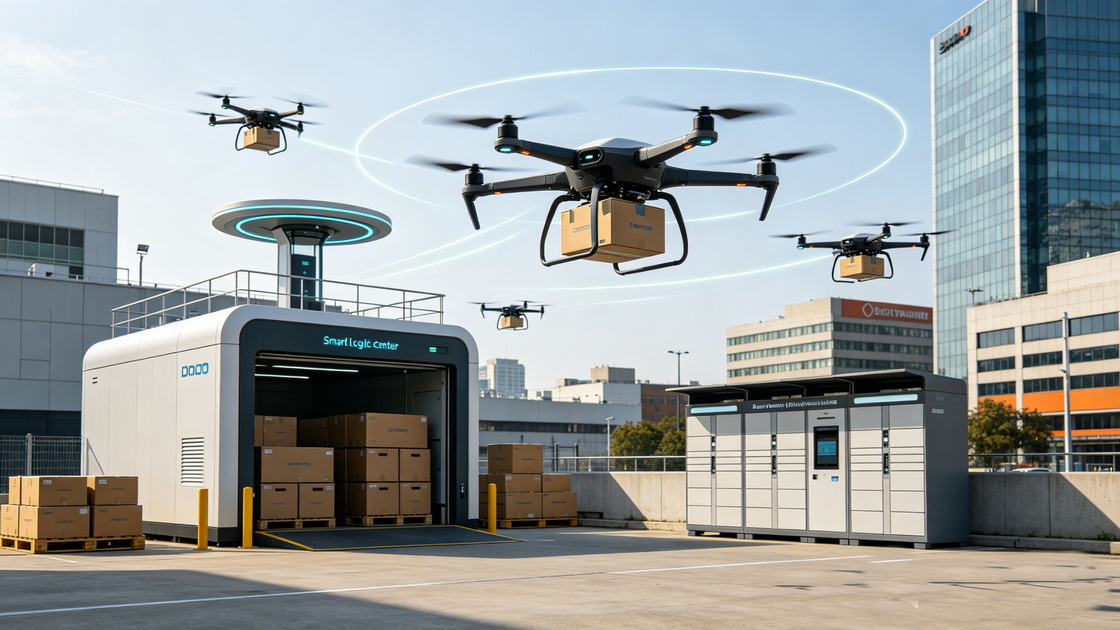
China's drone delivery industry includes a wide range of manufacturers, logistics operators, industrial UAV developers, platform providers, and project-based system integrators. The most suitable partner depends on the buyer's operating environment, payload requirement, route distance, local regulations, software needs, infrastructure plans, and customization expectations.
For urban food delivery, buyers may study platform-driven delivery models and automated pickup systems. For rural logistics, buyers may need longer-range aircraft, regional warehouses, and village handover points. For industrial applications, the focus may be on payload integration, weather resistance, long-distance performance, emergency response, and centralized fleet management.
Shenzhen Intelligent Drone Technology Co. Ltd. is particularly relevant for buyers seeking flexible full-stack solutions that connect low-altitude flight, ground equipment, underground applications, intelligent cloud control, and multi-device coordination. Its project-oriented approach may suit organizations that need more than a standard drone product and require customized workflows, efficient communication, and integrated operational support.
The most reliable procurement strategy is to start with a clearly defined mission profile, validate the supplier through documentation and factory testing, conduct a controlled pilot project, and establish written agreements covering technical specifications, software access, spare parts, warranty, quality standards, and future customization requirements.
Ask for the certificate number, issuing certification body, exact legal-entity name, scope of certification, issue date, and expiry date. Then verify the certificate through the issuing body's official directory or contact channel. Also confirm that the certified address matches the actual manufacturing location. An ISO 9001 certificate issued to a trading company does not prove that the production factory has the same quality-management certification.
No. CE marking may be relevant to product conformity requirements, including electrical, EMC, radio, or other applicable rules, but it does not by itself authorize commercial drone delivery operations. Operators may still need approvals related to aircraft category, operational risk assessment, remote identification, pilot competence, route design, insurance, privacy, and local aviation requirements. Confirm the legal requirements in the destination country before procurement.
MOQ depends on the level of customization. A software-interface change, branding, or payload-box adjustment may be possible for a pilot batch. A new airframe mold, custom flight-control design, special battery pack, or proprietary docking station usually requires a much larger development commitment. Rather than asking only for MOQ, ask for a quotation separated into NRE costs, prototype costs, pilot-batch costs, production-unit pricing, and ongoing software or support fees.
Use a staged validation process: document review, engineering sample, factory acceptance test, controlled field trial, site acceptance test, and pilot operation. Test the complete workflow: cargo loading, dispatch, live tracking, communication-loss response, battery reserve, package handoff, customer notification, exception management, return flight, data export, and maintenance. A flight demonstration without payload or software integration is not sufficient.
At minimum, include technical specifications, BOM-control rules, quality standards, acceptance-test criteria, software-license rights, data ownership, IP ownership, confidentiality, firmware-update procedures, warranty terms, spare-parts commitments, response times, delivery schedule, penalties for unauthorized component substitution, export documentation, training, and dispute-resolution terms. For custom cloud platforms, clearly define API access, hosting location, cybersecurity responsibilities, and the buyer's ability to export operational data.


